Micro-Model provides specialized ontologies for AI operating within specific domains. Each vocabulary is grounded in domain practice — clinically validated, legally coherent, or engineering-standards-aligned — rather than derived from general-purpose corpora.
Reference Libraries
Domain Concept Libraries
Three reference domains, each with five canonical concepts. These exemplify the micro-model design pattern: tight vocabulary, strong definitional precision, grounded in domain authority.
Domain · Healthcare
Healthcare
Medical and clinical ontologies grounding AI in patient care, diagnostics, and health system operations.
DiagnosisA formal classification of a patient's condition based on symptom patterns, test results, and clinical judgment.
Treatment ProtocolAn evidence-based sequence of interventions prescribed for a defined diagnosis or clinical scenario.
Drug InteractionA pharmacological relationship where concurrent medications alter each other's efficacy or safety profile.
Clinical PathwayA multidisciplinary care plan specifying expected timelines and milestones for a specific condition.
Patient OutcomeA measurable health state resulting from an intervention, used to evaluate protocol effectiveness.
Domain · Legal
Legal
Jurisprudential ontologies for AI systems operating within legal reasoning, compliance, and adjudication contexts.
JurisdictionThe geographic or subject-matter scope within which a legal authority has power to apply its rules.
PrecedentA prior judicial decision that establishes a binding or persuasive rule for subsequent cases.
Statutory InterpretationThe process of determining legislative intent when applying codified law to a specific dispute.
Liability StandardThe legal threshold of culpability — negligence, strict liability, or intent — required for a finding of fault.
Evidence WeightThe probative value assigned to a piece of evidence relative to its reliability and relevance.
Domain · Engineering
Engineering
Systems engineering ontologies for AI applied to design, safety analysis, and manufacturing workflows.
Failure ModeA specific way in which a component or system can malfunction, classified by effect and severity.
Safety MarginThe ratio between a system's actual capacity and the load it is designed to bear, quantifying redundancy.
Load DistributionThe spatial or temporal pattern by which stress, force, or demand is spread across system elements.
Material GradeA standardized classification of material properties — strength, ductility, corrosion resistance — for specification.
Compliance StandardA published specification or regulation defining minimum acceptable performance and safety criteria.
Reference Figures
See the ontology as a figure
These figures were drawn in CanonDraw to show how a micro-model ontology is fit, grounded, and validated. Each one is click-through editable — open it in the CanonDraw editor.
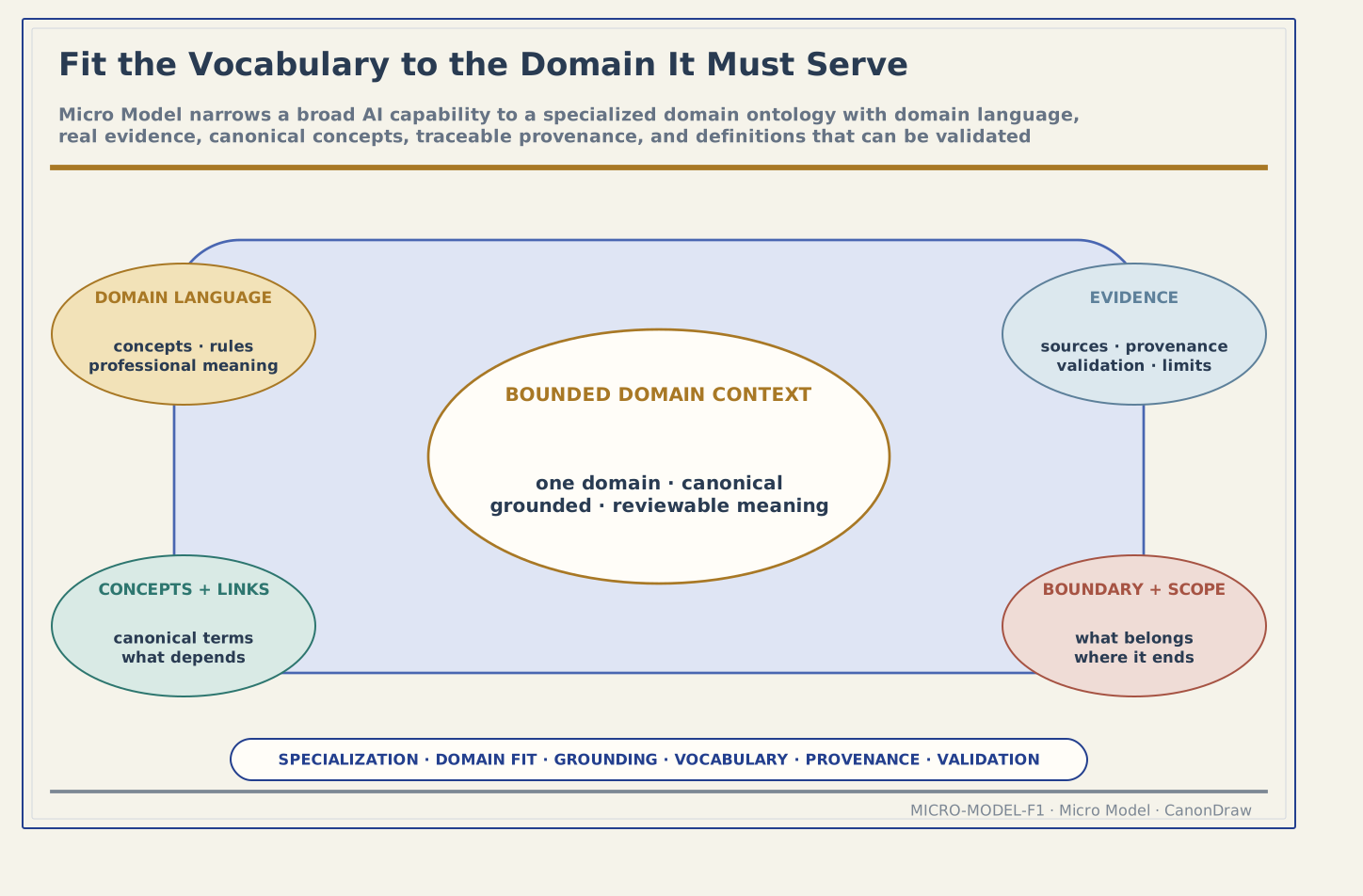
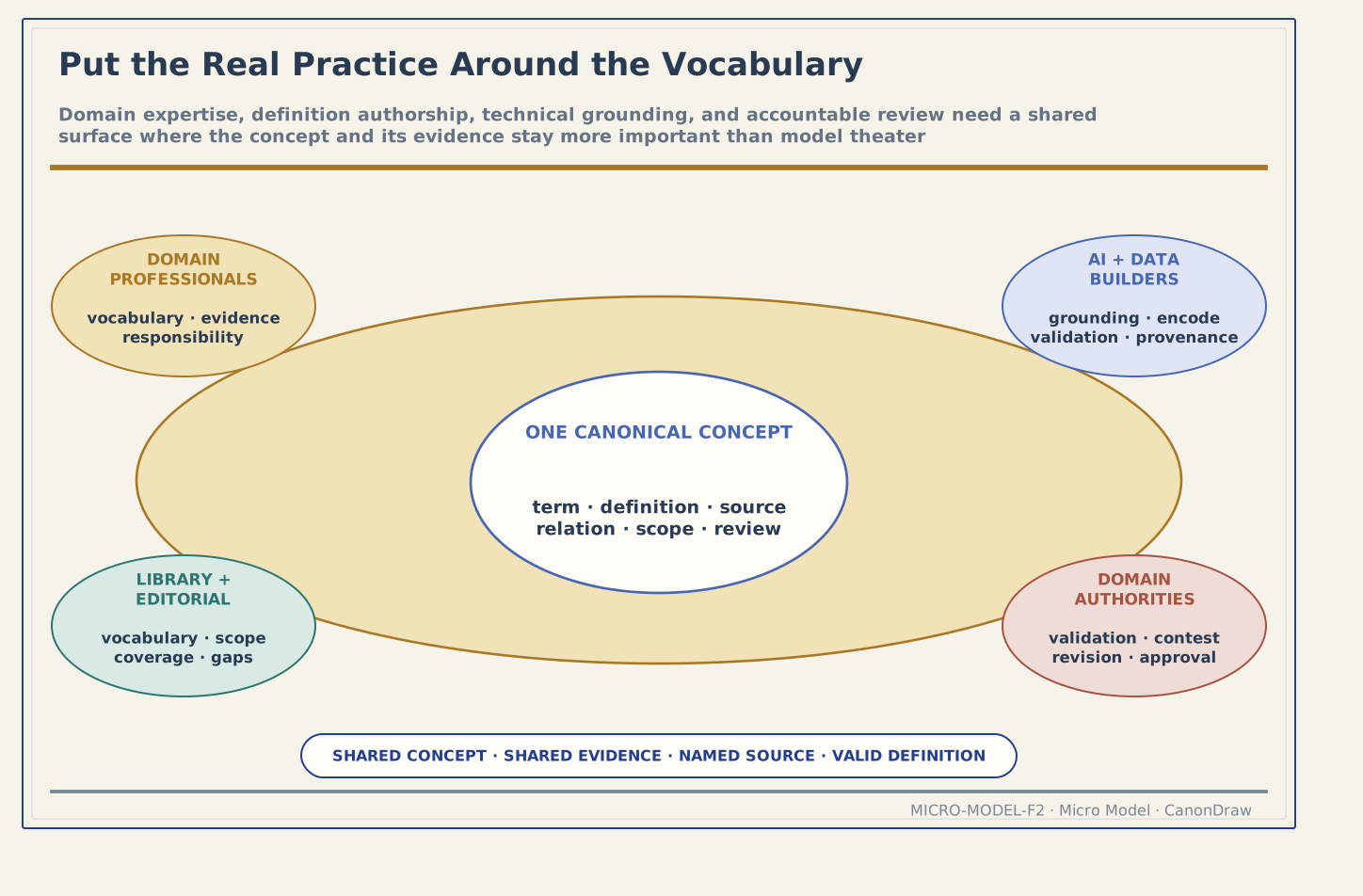
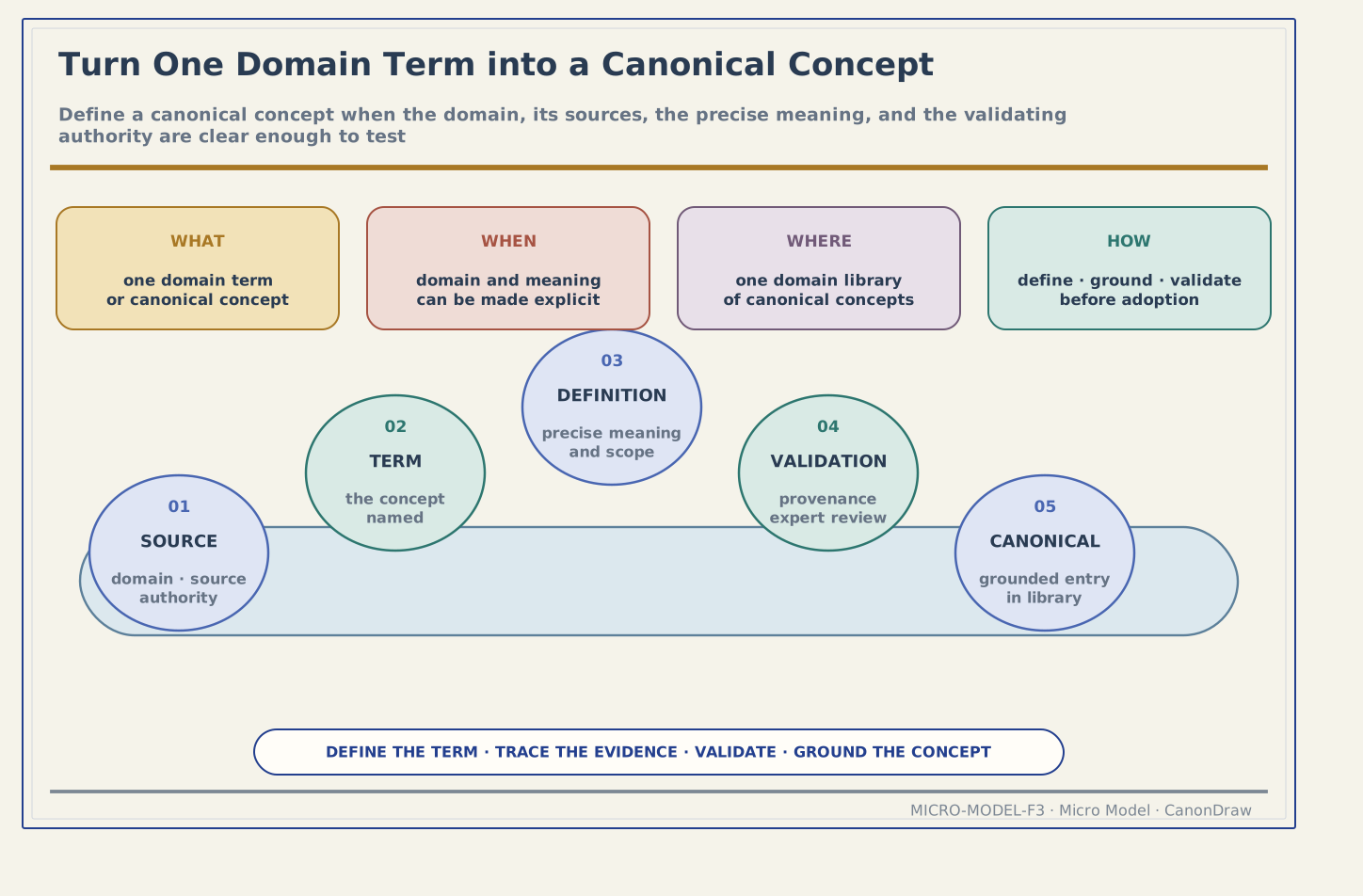
Fitting the vocabulary to the domain it must serve — narrowing a broad capability to a specialized ontology with domain language, real evidence, and canonical concepts. Edit in CanonDraw ↗Putting the real practice around the vocabulary — domain expertise, definition authorship, technical grounding, and accountable review sharing one surface. Edit in CanonDraw ↗Turning one domain term into a canonical concept — defined once its domain, sources, precise meaning, and validating authority are clear enough to test. Edit in CanonDraw ↗